

Get in Touch:
Funding Options:
CVAP | Crime Victim Assistance Program
Pineapple Support
Autism Funding Program
Flex Academy
SelfDesign
GreenShield (EAP)
HumanaCare | Kii Health (EAP)
CCA | Corporate Counselling Associates (EAP)
Sliding Scale Options Available
Services Offered:
Individuals
Couples
—
Children (8+)
Youth
Young Adults
Adults
Seniors
—
Anxiety
Trauma & PTSD
Relationships
Self-Esteem
OCD
ADHD
Depression
Self-Harm & Suicidal Thoughts
Life Transitions
Personal Growht
Emotion Regulation
Coping Skills
Treatment Modalities:
I draw from a range of evidenced-based approaches, including:
Eye Movement Desensitization and Reprocessing (EMDR)
Gottman Method Couples Therapy (Level 1)
Acceptance and Commitment Therapy (ACT)
Cognitive Behavioural Therapy (CBT)
Dialectical Behavioural Therapy (DBT)
Solution-Focused Brief Therapy (SFBT)
Schema Therapy
Emotion Focused Family Therapy (EFFT)
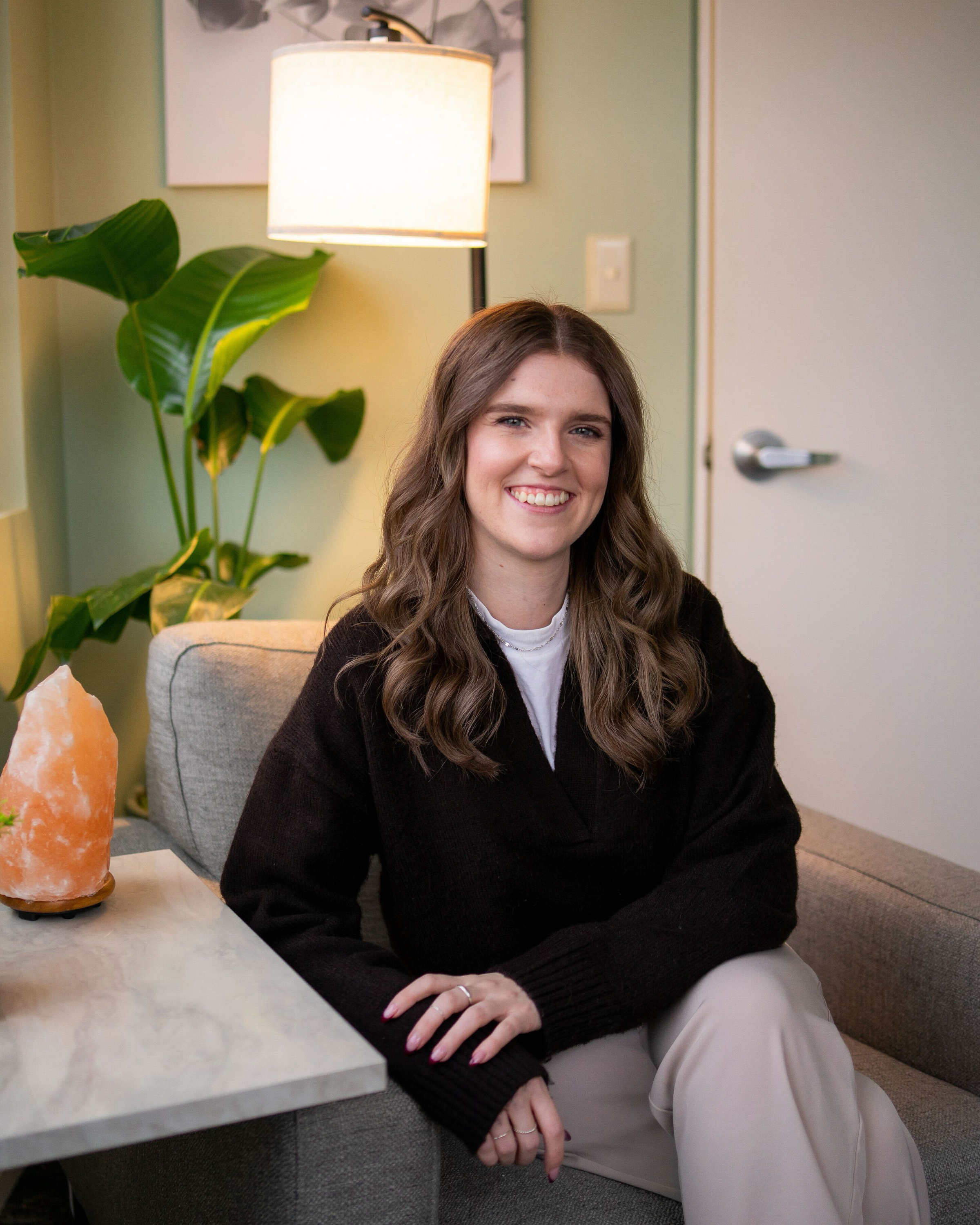
Kendra Arthurs
She/Her || Registered Social Worker
About Me
Hi! My name is Kendra (she/her). I support children, youth, adults, and couples navigating challenges related to anxiety, trauma, relationships, and more. Whether you prefer to meet in- person in Kelowna or online anywhere in BC, I’m here to help.
I aim to provide a supportive, collaborative space where we can focus on what’s most impacting you right now and work toward practical, meaningful change. My approach is warm and thoughtful, with a focus on understanding your experience from your perspective.
Together, we’ll explore the patterns, beliefs, and behaviours that may be shaping your experiences, while also identifying your strengths, values, and goals. I take a gentle but honest approach, asking thoughtful questions and offering new perspectives when it may support growth and lasting change. I aim to work at a pace that feels comfortable, manageable, and aligned with your needs.
How I Can Support You
-
Many caregivers reach out when their loved one seems overwhelmed, stuck, or not quite like themselves. This may look like anxiety, worry, big emotions, or behavioural changes. Sometimes these struggles are connected to stressful experiences that feel hard for children and youth to understand or express on their own. When these patterns start to affect school, friendships, or home life, support can help.
I use engaging, creative, age-appropriate activities to help children and youth express themselves, understand their emotions and experiences, and develop tools they can use in everyday life in a way that feels natural and manageable.
Along the way, children and teens can learn to:
Understand and express emotions in helpful ways
Build coping skills for stress, anxiety, and overwhelm
Develop problem solving and emotional regulation skills
Process difficult or confusing experiences
Strengthen confidence, self-esteem, and self-understanding
Manage worries and negative thoughts
Apply skills to daily life at home, school, and with peers
I also value working closely with caregivers when possible, as sharing language and practical tools can help support consistency and support growth outside of sessions.
-
Life experiences and challenges can shape how you view yourself, your relationships, and world around you. While difficult thoughts and emotions are a natural part of being human, these things can sometimes make it harder to move toward the life you want.
In our work together, your are supported in exploring patterns, experiences, and beliefs that may be influencing how you relate to yourself and others. This process can help you build a more compassionate relationship with difficult thoughts and emotions, deepen self-understanding, and support meaningful change that aligns with your values.
I view therapy as a collaborative process that supports you in responding to challenges with greater self-compassion, emotional awareness, and connection to what matters most to you.
-
Relationships can go through periods of disconnection, conflict, and challenges in communicating needs effectively. Whether you’re facing difficulties within your relationship or looking to strengthen your connection, therapy can offer a supportive space to grow.
In our work together, we may focus on:
Improving communication and expressing needs more effectively
Finding healthier ways to move through conflict and repair after disagreements
Deepening understanding or one another’s perspectives and experiences
Strengthening emotional connection and trust
I aim to provide a space where partners feel heard and valued, while supporting you in building on your strengths and creating new patterns that support your relationship.
-
When triggering situations lead to negative self-talk, overwhelming emotions, and reactions that feel hard to shift even when you understand them, it can feel frustration and overwhelming. I you’re looking to move beyond insight into deeper emotional and nervous system change EMDR therapy may be a helpful next step.
EMDR is an evidence-based therapy that supports the brain in processing distressing experiences so they feel less intense and more manageable over time. This process can hep reduce the emotional intensity connected to past experiences, soften self-criticism, and support more positive beliefs about yourself, making it easier to access and use the skills and strategies you already have to move toward what matters most to you.
EMDR may be helpful for experiences such as:
Experiences of childhood trauma, abuse, or neglect
Growing up in critical, high-stress, or invalidating environments
Sexual assault, violence, or abuse
Accidents, medical trauma, or sudden loss
Bullying, shame, or experiences of humiliation
Anxiety, panic, and phobias
Ongoing self-criticism, negative self-beliefs, or low self-esteem
My approach is collaborative and focused on creating a sense of safety and stability, so you can process experiences in a way that feel supportive and at your own pace.
Qualifications
I am a Registered Social Worker with the British Columbia College of Social Workers (Reg. #15148). I graduated from the University of British Columbia – Okanagan with a Master’s Degree in Social Work and a Bachelor of Science with a Major in Psychology.